
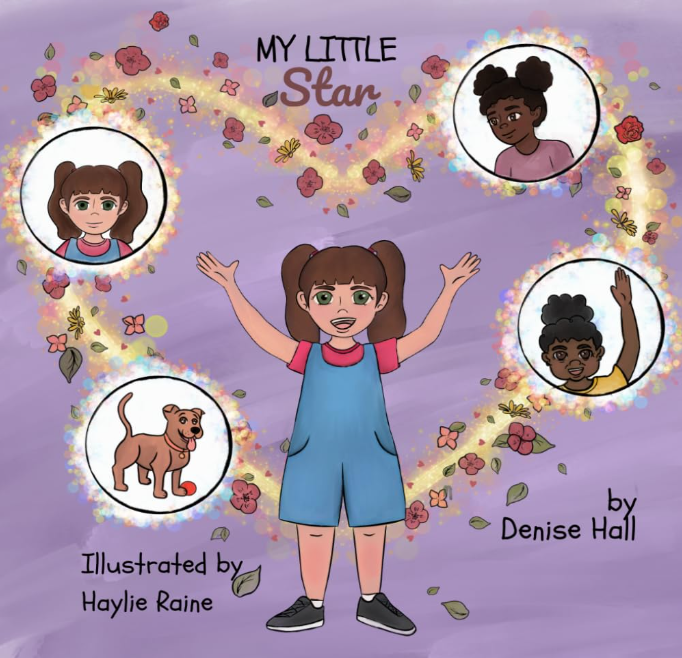
Writing Lily’s story in My Little Star was important to me in a way that goes beyond storytelling. Lily is not just a character on a page. She represents emotions, experiences, and perspectives that are often carried quietly and sometimes overlooked. Through her story, I wanted to create a space where feelings like uncertainty, change, and healing could exist gently, without being rushed or dismissed.
Lily’s journey reflects what it can feel like to navigate moments of transition while still trying to understand where you belong. Writing her story allowed me to explore what it means to hold both sadness and hope at the same time. It also gave me a way to speak to children who may be experiencing emotional shifts in their own lives, whether that is change in family, environment, or identity. I wanted Lily to feel real in a way that reminds readers they are not alone in their feelings.
There was also something deeply personal about bringing Lily’s voice forward. Writing her story required honesty, especially in the quiet emotional spaces that are not always easy to articulate. It meant sitting with vulnerability and allowing that vulnerability to guide the tone of the book. In many ways, Lily became a bridge between imagination and emotional truth, helping shape a story that is tender, reflective, and rooted in care.
Beyond the pages of Lily’s story, this book also deepened my awareness of the real world experiences that children in foster care face. Stories like hers are not only literary, they are connected to lived realities that deserve compassion, resources, and support. This is why organizations that provide tangible help are so essential.
Organizations like Honey from the Rock – Cleveland Foster Care Closet play a vital role in supporting children and families within the foster care system. They offer more than just material items. They provide dignity, comfort, and a sense of care during times that can often feel uncertain and overwhelming. Access to essentials, clothing, and supportive resources can make a meaningful difference in helping a child feel seen and supported.
Supporting organizations like this matters because it turns empathy into action. It is one thing to be moved by a story, and another to contribute to real change in a child’s life. Whether through donations, volunteering, or simply sharing their mission, every act of support helps strengthen the safety net for children who need it most. These organizations remind us that care is not only emotional, it is also practical and communal.
If Lily’s story holds meaning for you, I encourage you to extend that feeling beyond the book. Supporting organizations like Honey from the Rock helps ensure that children in foster care are met with both compassion and resources. It is one of the most powerful ways we can help turn stories of struggle into stories of support, stability, and hope.